UNDERSTANDING + EMBODYING HUMANITY’S
WORLDVIEWS
RECOGNIzing SHARED VALUES + SOLVing CHALLENGES AMONG DIFFERING VIEWS
MON JAN 19TH
CYCLE 4 = SYSTEMIC INTEGRATION + HOLISTIC SYNTHESIS
Including A Balance Of Yin -to- Yang at both levels:
•CHAKRA 5: ♂ SYSTEMIC INTEGRATION
&
• CHAKRA 6: ♀ HOLISTIC SYNTHESIS
SYSTEMIC INTEGRATION
How This Looks In The World
SYSTEMIC INTEGRATION
THE FOCUS
SYSTEMIC VIEW
INTEGRATION (OF existing aspects)
ENVIRONMENTAL VALUES
BALANCED INNOVATION
ALIGNMENT
HOLISTIC SYNTHESIS

THE FOCUS
SYNTHESIS (OF EXISTING ASPECTS)
COLLECTIVE CONSCIOUSNESS
ENVIRONMENTAL CONSCIOUSNESS
BALANCED EVOLUTION
UNITY
The Developmental Psychology
ACCORDING TO SPIRAL DYNAMICS
YELLOW
YELLOW WORLDVIEW
The "yellow" or "integral" value system represents the ability to integrate and transcend the previous systems and is characterized by the ability to see multiple perspectives, a focus on personal growth and development, and an understanding of complex systems. It is considered the most challenging and advanced value system and is associated with a holistic, integrative approach to understanding the world.
TURQUOISE
TURQUOISE WORLDVIEW
The turquoise value system represents a holistic, integrated, and ecological perspective. A focus on the interconnectedness of all things and recognizing the interdependence of human and natural systems characterizes it. According to the Spiral Dynamics model, this value system is often associated with post-modern and post-industrial societies and is considered the sixth level of human development. People in turquoise vMeme tend to be holistic and integrative, recognizing the interconnectedness of all things and valuing diversity, tolerance, and inclusiveness. They tend to be concerned with the well-being of both people and the planet and are driven by a desire for sustainability and harmony with the natural world. They tend to be spiritual but not religious and have a deep connection to nature and the more expansive universe. They have a strong sense of compassion and empathy and tend to be actively engaged in social and environmental causes.
Where Does The Body Naturally Express
♂your Voice
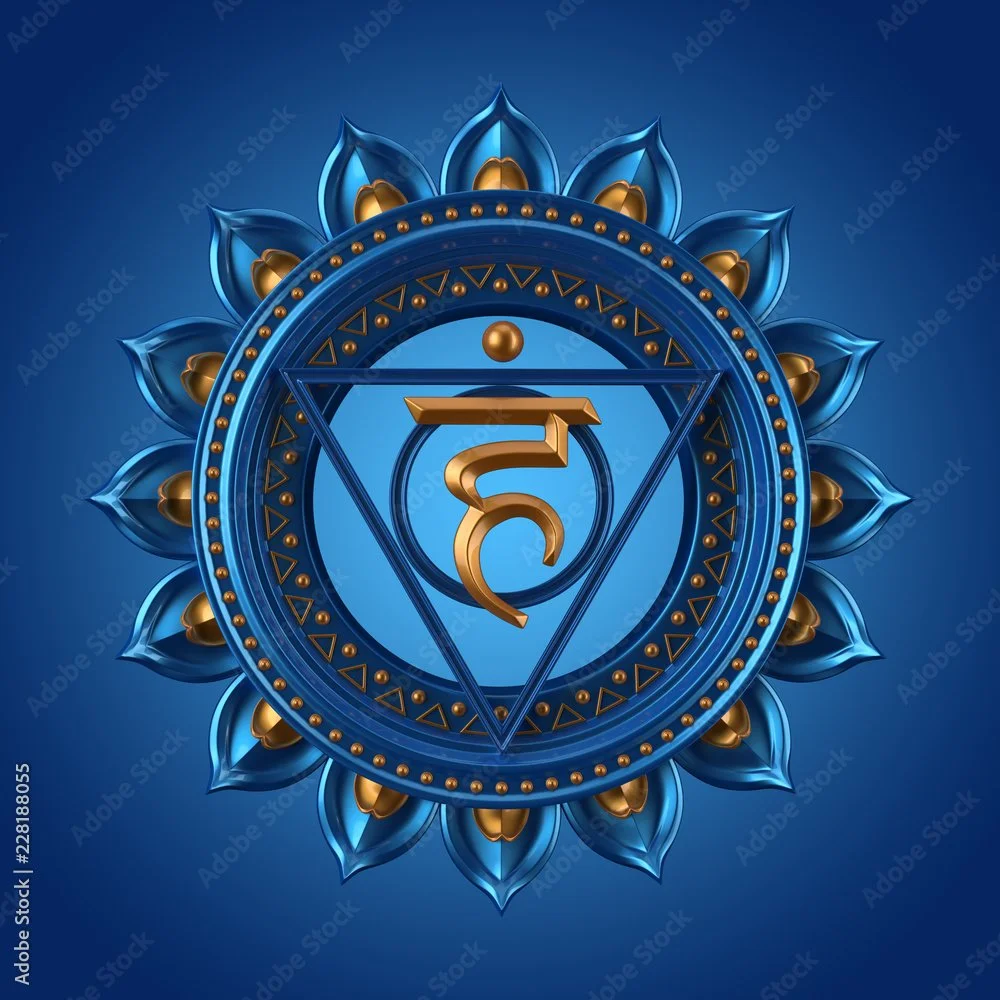
5TH CHAKRA
VISHUDDHA
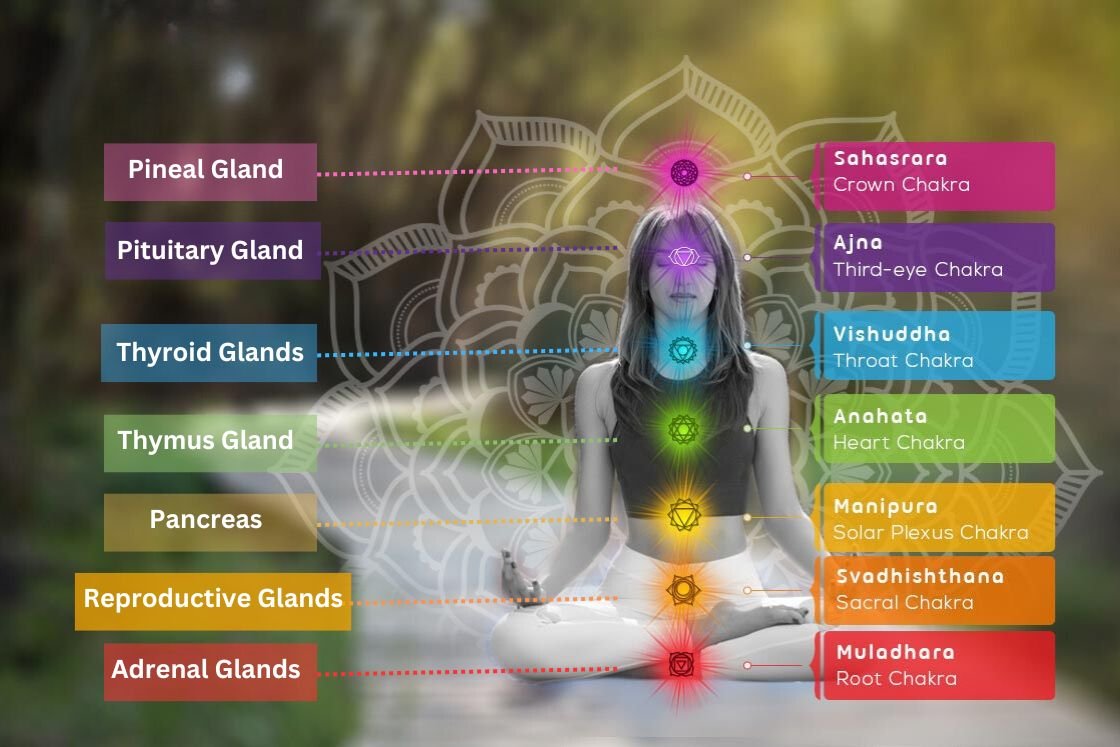
Key Overview
The esoteric meaning of the 5th Chakra, or Vishuddha, centers on authentic self-expression, truth, and communication, acting as the bridge between the heart's emotions and the mind's thoughts. It governs your spiritual voice, creativity, integrity, and ability to speak your highest truth, with its Sanskrit name meaning "pure" or "purification," signifying the clarity achieved when integrating inner wisdom with outer expression, often linked to the element of space (Akasha) and the color sky blue.
Core Lessons
Purification of Experience (Transformation): Vishuddha means "especially pure." A core lesson is taking the "poison" of negative life experiences and transforming them into the "nectar" of truth, learning, and wisdom.
The Power of Sound and Vibration: This chakra governs the element of ether (Akasha) or space. It teaches that words are vibrations that create reality, urging conscious speech rather than idle chatter.
The Bridge of Consciousness: Located between the heart (emotions) and the Ajna (third eye/higher mind), it translates subtle feelings into ideas and words. It is the gateway between individual, earthly needs and higher, spiritual wisdom.
Right Speech and Non-Attachment: A key lesson from the Buddhist Eightfold Path is "Right Speech"—abstaining from lying, gossip, and harsh language. It also teaches detachment from the outcomes of our expressions.
Overcoming Guilt: Guilt is considered the primary blocker of Kundalini energy at this level; the lesson is to release self-judgment and shame to allow energy to rise to the head.
Embodiment:
Speaking Your Truth: The primary lesson is to speak honestly, with integrity and authority, even when uncomfortable. It involves aligning your inner truth with your outer words.
Active Listening and Empathy: A balanced Vishuddha chakra is not just about speaking but also about deep, empathetic listening—enabling others to feel heard, which fulfills a profound human need.
Authentic Creative Expression: The chakra is a "portal of creation." It teaches that creativity, through voice, art, or writing, is the expression of your unique soul.
Setting Boundaries: A key embodiment lesson is the ability to say "no" and to express your needs and boundaries with love and firmness.
Honoring Your Voice: Overcoming the fear of judgment or rejection to express your uniqueness. This includes knowing when to speak and when to remain silent.
Activities like singing, chanting (using the mantra "Ham"), public speaking, and meditation on the sky or ocean help balance this chakra.
Endocrine: Thyroid
The esoteric connection between the thyroid gland and the 5th chakra (Vishuddha) centers on the intersection of physical metabolism and spiritual expression, specifically acting as the "truth center" for authentic self-expression and purification. Located at the throat, the Vishuddha chakra governs the thyroid gland, linking the ability to communicate honestly with the regulation of life force energy.
Element: Water
The fifth chakra, Vishuddha, located in the throat, is represented by the element Ether (or Space), symbolizing the medium for sound and pure consciousness, governing communication, self-expression, and truth, and is associated with the color blue.
Key Aspects of the Ether Element:
Nature: It's the subtle element beyond air, often described as the vastness of space or sky where sound travels.
Function: It connects the physical and spiritual realms, allowing energy to flow and enabling clear expression and reception of sound and ideas.
Symbolism: The element of "nada" (cosmic sound) and pure potential, representing the origin of creation.
Where Does The Body Naturally Express
♀ your Vision
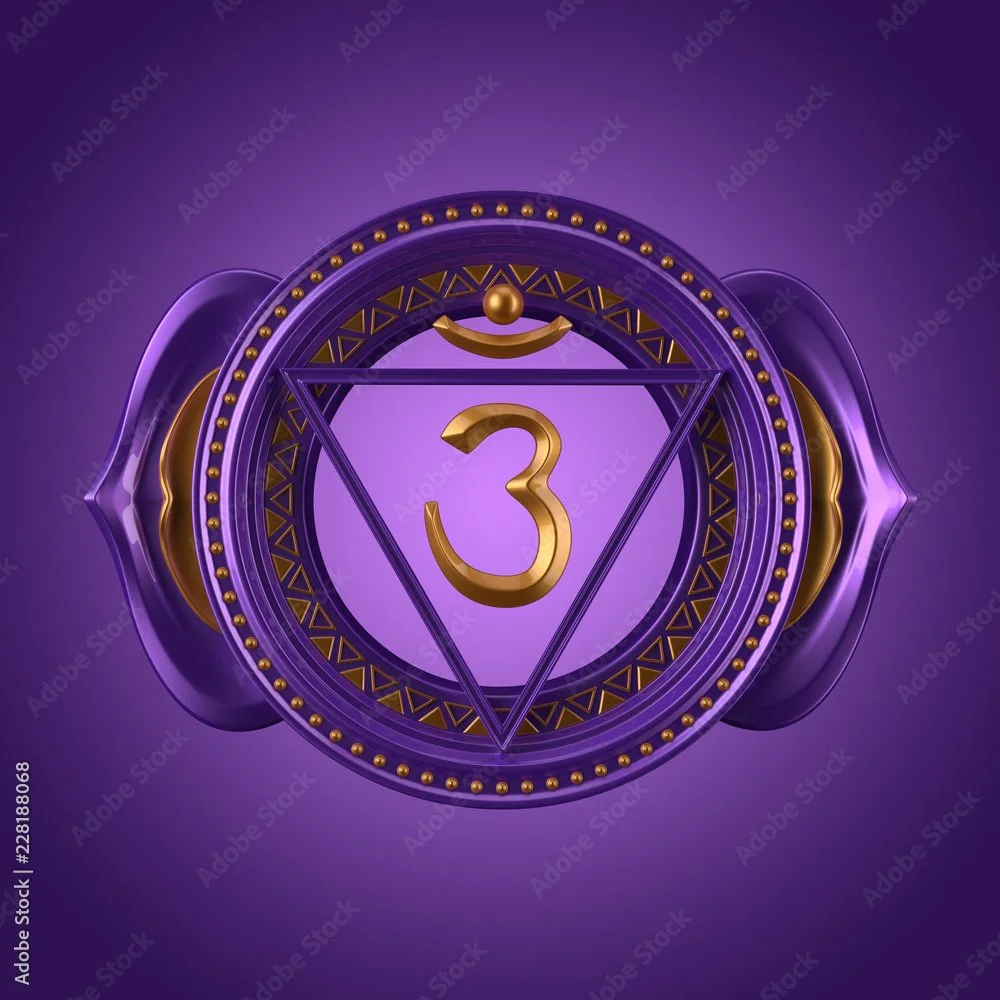
6TH CHAKRA
AJNI
Key Overview
The 6th chakra, known as Ajna or the Third Eye Chakra, holds an esoteric meaning centered on profound inner perception, intuition, and the transcendence of dualistic thinking. Situated between the eyebrows, it acts as a command center, allowing one to perceive the true nature of reality beyond the limitations of physical, material vision.
Core Lessons
The Ajna Chakra, or third eye chakra, located between the eyebrows, is the sixth primary energy center in the body, symbolizing the seat of intuition, inner wisdom, and higher consciousness. It is the bridge between the mind, body, and spirit, enabling us to see beyond the physical world and mundane limitations.
Here are the core esoteric and embodiment lessons of the Ajna Chakra:
Core Esoteric Lessons (Spiritual and Psychological)
Transcending Duality (Ida and Pingala): Symbolized by a two-petaled lotus, Ajna teaches the merging of opposites—logic and intuition, sun and moon, masculine and feminine energies—into a single point of knowing (Sushumna nadi).
Seeing Beyond Illusion (Maya): The ultimate lesson of the third eye is to look past appearances, desires, and Ego-driven projections to perceive the underlying, unchanging truth of reality.
The Inner Guru and Self-Trust: Ajna represents the "inner guide" or "inner guru," encouraging us to trust our intuition, gut instincts, and "soul-knowing" over external validation or purely intellectual analysis.
Detachment and Perspective: It teaches us to step back from situations, viewing life objectively rather than subjectively, allowing us to see the "big picture" of our life's purpose.
Surrender of the "I": At this level, we surrender the ego and its need to control, accepting the present moment as it is to receive wisdom.
Embodiment:
Mental Clarity and Focus: An activated Ajna manifests as a calm, focused mind free from mental fog, allowing for high-level decision-making and concentration.
Physical Embodiment of Stillness: The Ajna thrives on stillness, not strain. It teaches us that true insight arises when we quiet the mind through meditation, breathwork, or mindfulness, rather than through forced effort.
The Command Center (Pituitary Gland): Physically linked to the master gland (pituitary), Ajna teaches us to regulate our internal, biological, and emotional rhythms, fostering hormonal balance and mental health.
Cultivating Intuitive Embodiment: This involves practicing "listening" to the body’s whispers—vivid dreams, strong gut feelings, and subtle energy shifts—and trusting those sensations.
Integrating Wisdom in Daily Life: It is not merely a mystical experience; an embodied Ajna translates to living with compassion, awareness, and clear intention in the physical world.
Endocrine: Pituitary
Esoterically, the pituitary gland (the "master gland") is linked to the 6th Chakra (Ajna, or Third Eye) because both govern intuition, inner vision, perception, and command over other glands, with the pituitary controlling growth/hormones and the chakra influencing spiritual awareness, psychic ability, and clarity, forming a vital connection between physical regulation and higher consciousness. While the pituitary manages bodily functions, its esoteric counterpart, the Third Eye, focuses on accessing deeper wisdom and connecting to universal consciousness, with both glands working in tandem to balance the body and mind.
Element: Light (Solar Fire)
The 6th chakra, or Ajna (Third Eye), is represented by the element of Light, symbolizing inner vision, intuition, and spiritual perception, with its color being indigo and its Sanskrit name meaning "to perceive" or "command". While other traditions might associate it with the mind or ether, light is the most commonly cited element, connecting to higher consciousness beyond the five senses.
Below: Gene Key 6 is part of the Codon Ring of Alchemy, often associated with the 6th chakra, and deals with karmic release and transmutation:
Situational Examples
In Real Life… How Do We Recognize
♂YELLOW INTEGRATION ?
EXAMPLES OF RELATIVELY HEALTHY DEVELOPMENT
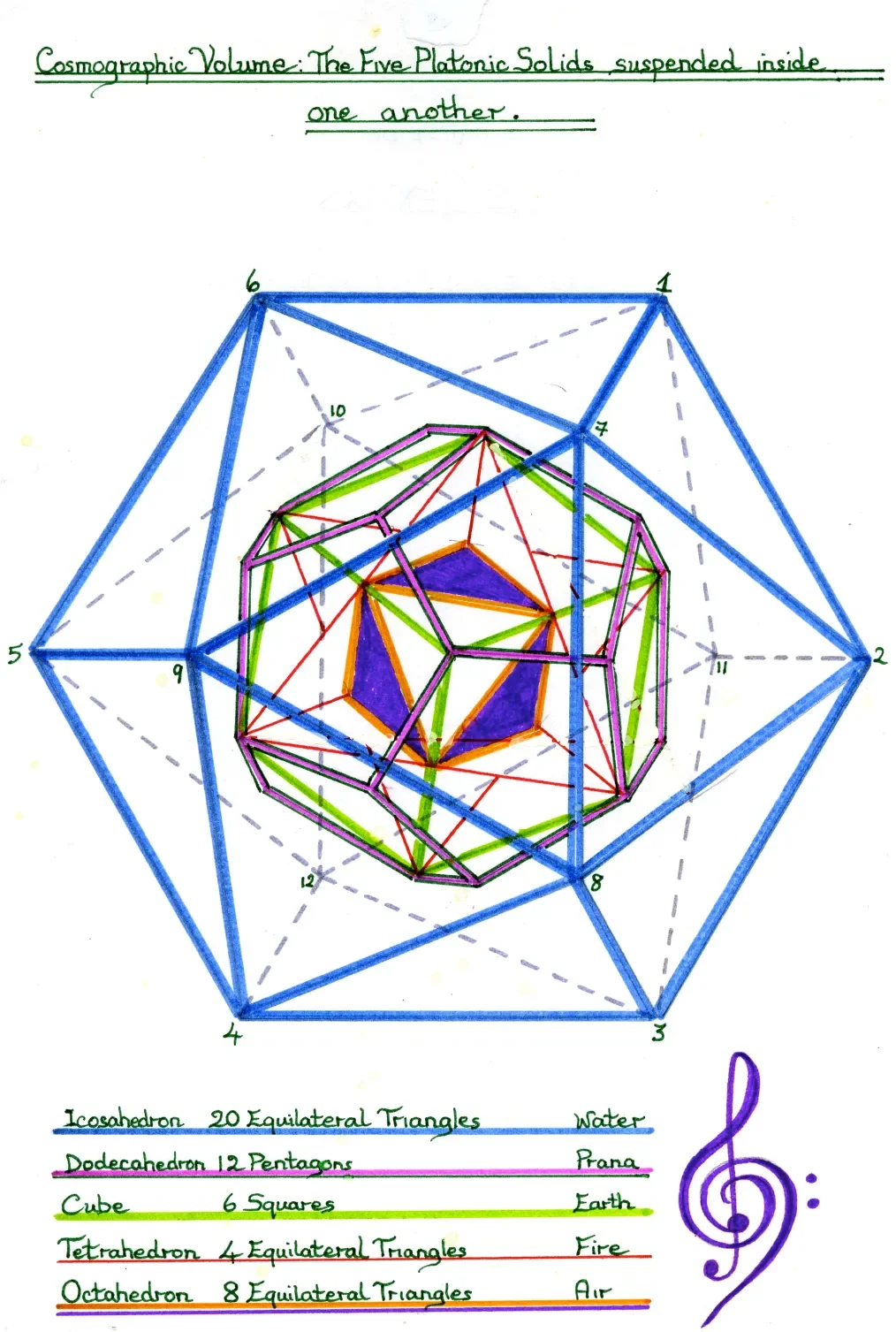
Sacred Geometry as a universal systemic bridge
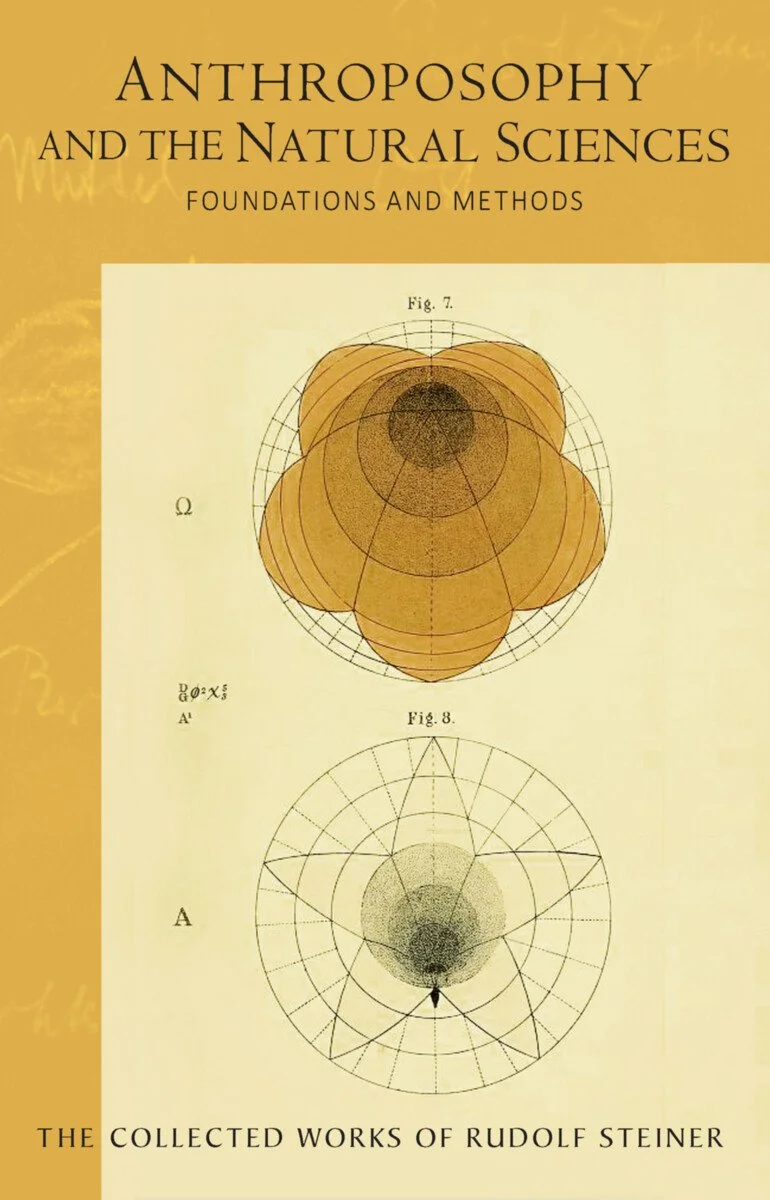
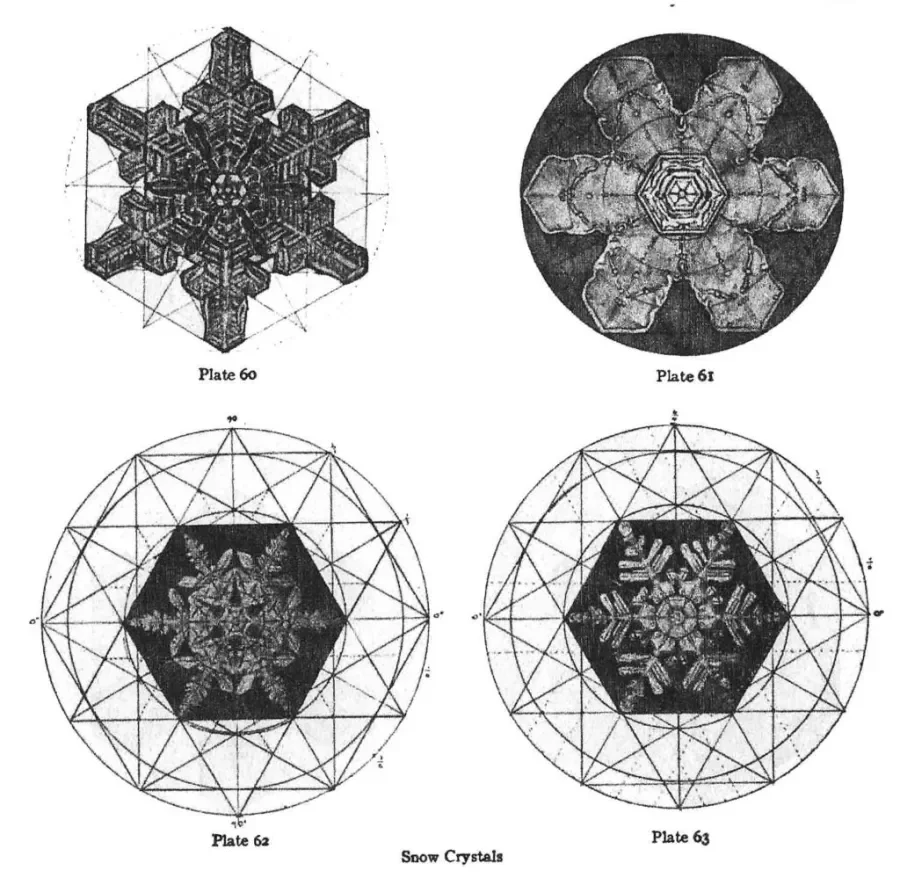
Rudolf Steiner's anthroposophy extensively integrates elements of sacred geometry, viewing geometric forms and patterns as expressions of spiritual realities, the architecture of the cosmos, and pathways for human consciousness to perceive higher dimensions and spiritual beings, as shown in his lectures on higher dimensions and the divine structure of nature. He discussed geometric principles in crystal formation, the interconnectedness of spiritual hierarchies with physical space, and used geometry to describe the evolution of Earth and humanity, making it central to understanding the divine blueprint of creation. (See section below for more examples)
The work of Rudolf Steiner
Different interpreters may place Steiner's ideas in different categories depending on which aspects they focus on. For instance, some of his esoteric or mystical ideas might resonate more with earlier, "Purple" (magical-mythic) elements, while his rational approach to presenting spiritual research might seem "Orange" (achievement-oriented/scientific rationalism). The integrative nature, however, often leads commentators to the "Yellow" or even "Turquoise" (holistic) tiers.
Here is how some aspects of Steiner's work could be seen through the lens of the Yellow meme:
Systems Thinking and Holism: Steiner's work, particularly his concept of anthroposophy, emphasizes the interconnectedness of physical, psychological, and spiritual dimensions (e.g., in Waldorf education and biodynamic agriculture). This aligns with Yellow's focus on understanding complex, self-organizing natural systems and looking at the "big picture".
Integrative Approach: Yellow thinking is highly integrative, combining diverse perspectives, disciplines, and ways of knowing. Steiner's work similarly attempts to integrate science, art, and spirituality, moving beyond the limitations of reductionist materialism.
Emphasis on Development and Evolution: Both Spiral Dynamics and Steiner's philosophy propose developmental stages (e.g., Steiner's seven-year cycles). Yellow thinkers are explicitly aware of the process of evolution and seek to facilitate it.
Individualism and Autonomy: Yellow represents a shift to a new form of individualism, where people act from an inner core and are not easily swayed by external authority, dogma, or the need for status. Steiner's emphasis on individual freedom and independent judgment aligns with this internal locus of control.
Important Caveats:
Steiner's work is vast and complex and cannot be neatly confined to a single "meme" in the model.
The System of
Sacred Geometry
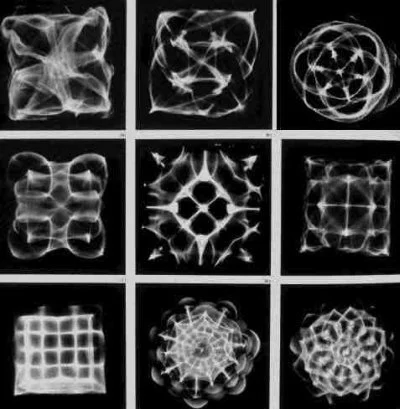
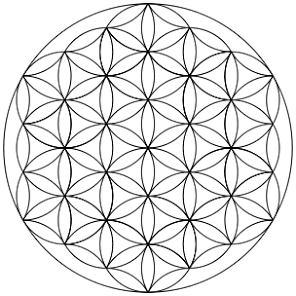
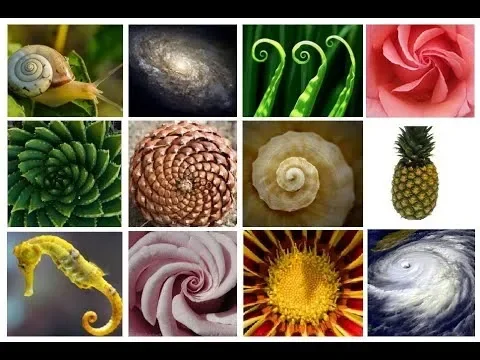
Sacred geometry is considered sacred because it's believed to be the divine blueprint of creation, revealing universal patterns, harmony, and the interconnectedness of all things, from atoms to galaxies, acting as a visual language for a higher power or cosmic order. These symbolic shapes and proportions, found in nature, art, and architecture, are thought to hold spiritual significance, fostering balance, healing, and a connection to the divine by reflecting the underlying structure of reality.
Education
Early Systems

Waldorf
Waldorf education acts as a complex system that integrates multiple "value memes". Here are the elements of Waldorf education that embody aspects of Blue (Order/Truth), Green (Community/Harmony), Yellow (Systems/Competence), and Turquoise (Global/Holistic) memes:
1. The Class Teacher System (Looping)
Blue Aspect: Provides a highly structured, stable environment where the same teacher stays with the class for 8 years, acting as a direct authority.
Green Aspect: Fosters a deep sense of community, belonging, and emotional support within the classroom "tribe".
Yellow/Turquoise Aspect: Allows the teacher to adopt a "systems thinking" approach (Yellow), understanding the developmental trajectory of the child over time and managing the classroom as a holistic organism (Turquoise).
2. Nature Education and Environmental Focus (Gardening/Farming)
Blue Aspect: Involves disciplined, ordered work in nature (e.g., planting, harvesting).
Green Aspect: Promotes ecological awareness, care for the earth, and non-materialistic values.
Turquoise Aspect: Views the earth as a living, breathing entity (Gaia hypothesis) and recognizes the interconnectedness of all living things.
3. "Main Lesson" Block Curriculum
Blue Aspect: Focuses on foundational, absolute knowledge (e.g., teaching history as a narrative of truth).
Green Aspect: Integrates artistic, subjective experience with academic learning.
Yellow Aspect: Connects different subjects (history, literature, science) into a unified, interdisciplinary system rather than isolated subjects.
4. Waldorf Arts and Eurythmy
Green Aspect: Emphasizes emotional expression, collaboration, and harmony over competition.
Yellow/Turquoise Aspect: Uses arts (like music, painting, movement) to alter consciousness, develop systemic thinking, and experience energy fields, as outlined in "postconventional arts".
5. Festivals and Rhythms of the Year
Blue Aspect: Establishes a rigid, traditional schedule of festivals and rituals.
Green Aspect: Builds communal identity through shared celebration and shared ritual.
Turquoise Aspect: Connects the classroom to the broader cosmos and universal, natural cycles, reinforcing a sense of global oneness.
Summary of Evolution through the System:
Waldorf is often seen as a Green system (community-focused, artistic) that uses Blue structures (fixed curriculum, teacher authority) to foster a Yellow way of thinking (integrating knowledge) and a Turquoise view of the world (holistic, ecological).
Higher Systems
Integral
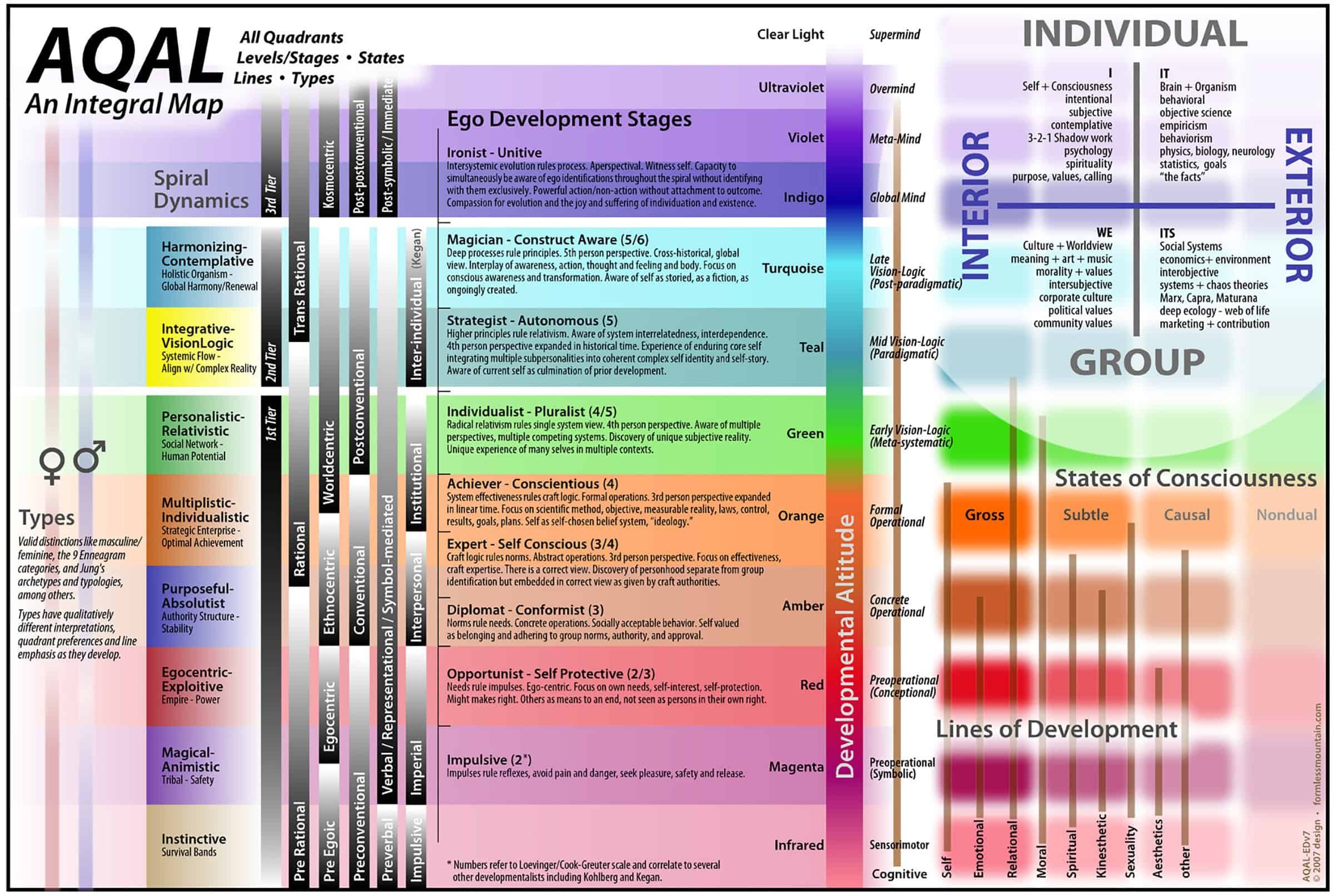
In Spiral Dynamics, the Yellow tier (the first stage of the second tier) is characterized by systems thinking, competence, and integration. While no large-scale, nationwide education system has fully evolved into Yellow, it is often associated with frameworks that focus on flexibility, complexity, and interdisciplinary, holistic understanding.
The following are cited as demonstrations or examples of Yellow-tier learning or educational approaches:
Agile Classrooms/EduScrum: These are cited as frameworks that, unlike traditional systems, allow for flexibility, self-organization, and high-level, adaptive learning, characteristic of Yellow’s "FlexFlow" stage.
Systems Thinking Programs: Educational initiatives that teach students to view issues through a systems lens (understanding interconnectedness, feedback loops, and holistic, "big picture" perspectives) are considered examples of Yellow thinking.
Integral Education/Curriculum: Approaches based on Integral Theory (such as the AQAL model), which seek to transcend and include all previous stages (Beige through Green), are considered Yellow.
Project-Based Learning (Advanced): While some collaborative learning is Green, high-level, self-directed, and interdisciplinary project-based learning that integrates multiple perspectives to solve complex, real-world problems can function at a Yellow level.
Yellow-tier education moves away from the rigid bureaucracy of Blue or the relativistic, sometimes stagnant approach of Green, favoring instead a "functional" approach where competence and the ability to solve complex, multi-dimensional problems are prioritized.
Self Awareness Systems
Human Design
Integrates
• I Ching “BOOK OF CHANGES”
• Vedic Chakra System of ancient India
• Kabbalah “TREE OF LIFE”
• DNA codons and Solar neutrino streams
• Founder Ra Uru Hu’s unique interpretations
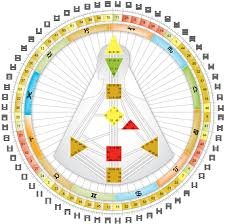
Ra Uru Hu, displaying Artisan/Scholar archetypal qualities from the Michael System, introduces Human Design as THE SYSTEM OF DIFFERENTIATION, as he calls it…
Gene Keys
Integrates
• I Ching “BOOK OF CHANGES”
• Kabbalah “TREE OF LIFE”
• DNA codons + amino acids
• Founder Richard Rudd’s unique interpretations
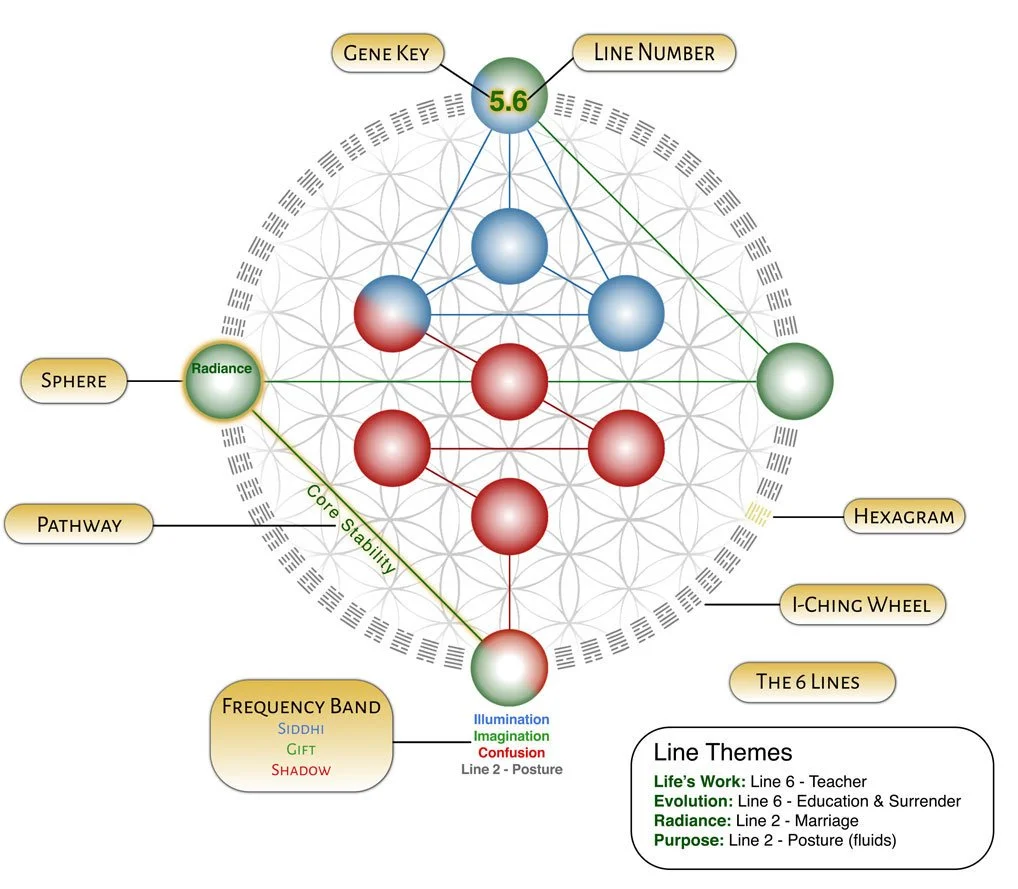
How are the Codons and the Codon Rings (as interpreted in the Gene Keys) integral to our understanding of life? They are the biological means through which our realization becomes embodied, as individuals, groups, and as a whole:
Richard Rudd invites you to your own deep practice in an exciting year long retreat! But don’t worry if you might feel like you’re missing it, because, as he states, “no one misses the dawn”… and you’re still a part of the grand awakening (of which more are conscious of now) however you’re living…
The Potential of
Technology Systems
Global Communications

The information age, driven by technologies like Google Search, the internet, smartphones, and cloud computing, offers immense benefits, including unparalleled access to information and education, enhanced communication and collaboration, increased efficiency and productivity, and significant advancements in commerce, healthcare, and entertainment.
Artificial Intelligence
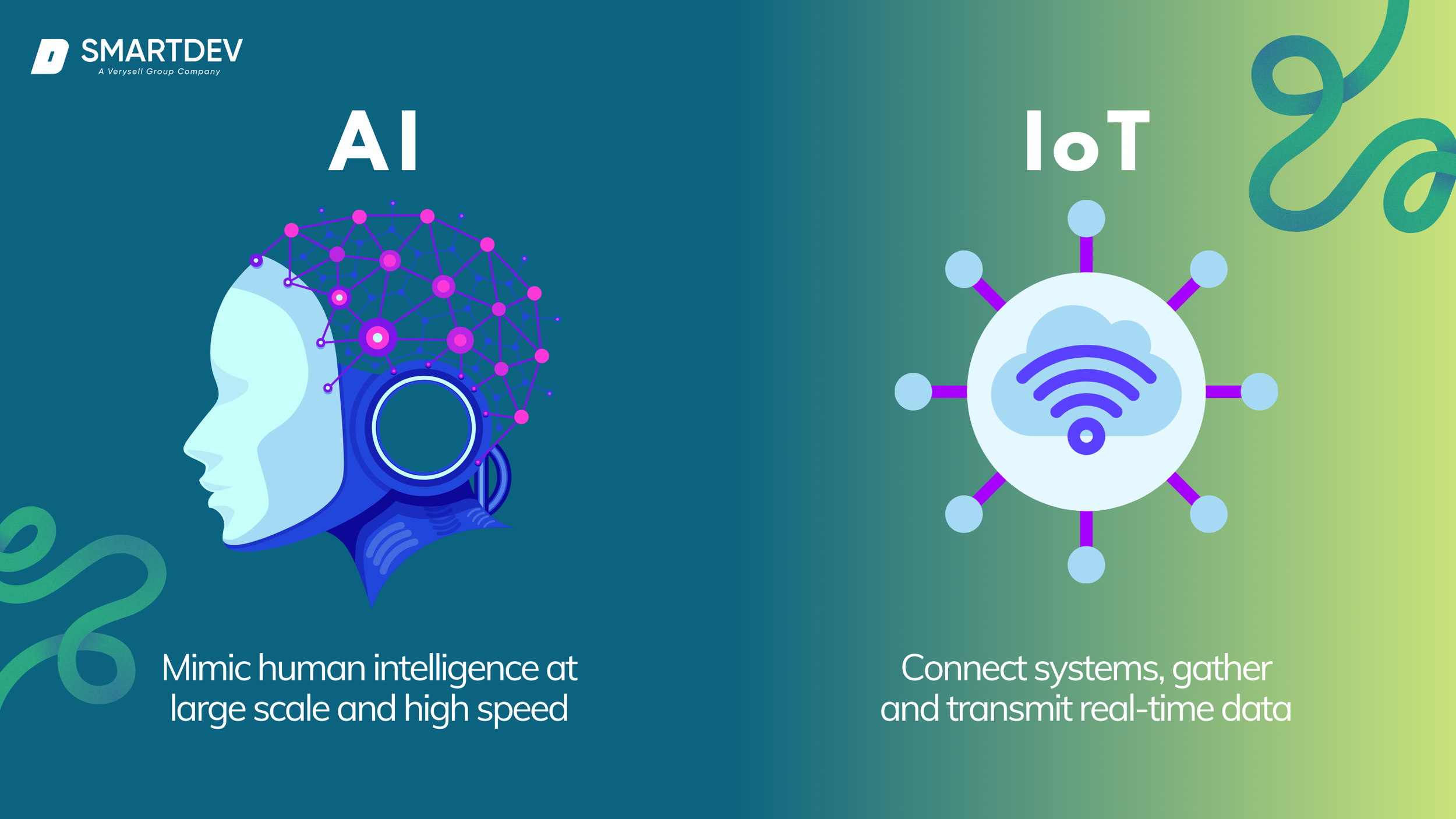
Access to the internet and AI, integrated deeply with data, creates powerful benefits like hyper-automation, predictive intelligence, personalized experiences, and enhanced security, driving efficiency, innovation, and deeper insights across all sectors by transforming vast data into actionable, real-time strategies for smarter decision-making and operational excellence.
Nanotech + DNA mapping

Nanotechnology revolutionizes DNA mapping by enabling faster, cheaper, ultra-precise sequencing (nanopores) and creating complex nanostructures (DNA origami) for precise genomic analysis, leading to better disease understanding, personalized medicine, and broad data sharing, fostering a more inclusive human experience by democratizing access to genetic insights and creating tools for universal health solutions, though balancing scientific progress with fair use of data remains crucial.
Satellites + Space Missions

Satellites and space missions foster an inclusive human experience by uniting nations for common goals, inspiring global interest in STEM, and providing shared tools for Earth management (climate monitoring, disaster relief, communication) that benefit everyone, while also driving innovation, improving daily life with tech spin-offs (GPS, imaging), and expanding scientific knowledge of our shared planet and universe, ultimately promoting sustainable development and global perspective.
The Human Experience —vs— the Stacked Library that is AI

AI becoming sentient (having subjective experiences, self-awareness, and feelings) is a major topic of debate, but current AIs are not considered sentient, though their human-like responses fuel the discussion; experts are divided on if it's even possible, with many arguing it requires more than computation, while others see potential for gradual emergence, though definitive testing remains elusive and the risk of people believing AI is sentient (anthropomorphism) is a significant concern for many.
The fundamental difference between human consciousness and the "library of information" that is AI lies in the distinction between subjective experience (feeling) and data processing (computation). While AI, such as Large Language Models (LLMs), can mimic intelligent behavior by accessing vast datasets, it lacks self-awareness, subjective feelings, and genuine understanding.
The distinction between infinite toroidal consciousness and the stacked data of Artificial Intelligence (AI) highlights the fundamental gap between being (subjective experience) and calculating (information processing). While AI mimics cognitive functions through linear, layered, or recursive data, biological consciousness is often modeled as a "torus"—a self-sustaining, non-local, and recursive loop of energy and information that is self-aware.
Here is an explanation of the two, contrasted by their core characteristics:
1. Infinite Toroidal Consciousness (The Subjective Experience)
This model views consciousness not as a byproduct of the brain, but as a fundamental, non-local, and self-referential field of reality, often described in sacred geometry as a torus (donut shape).
Subjective "Qualia": It is the "hard problem"—the feeling of what it is like to experience something (e.g., the smell of a rose), which cannot be reduced to data points.
The Toroidal Structure: It represents the perfect, self-sustaining flow of information. Energy flows in, loops around the exterior, and returns to the center, constantly re-creating itself.
Self-Referential & Non-Local: Consciousness is a "self-observing system" that does not require a brain to exist. It is a "streaming" awareness, where thoughts cycle, refine, and expand.
Recursive & Infinite: It is a closed-loop that is always present, connecting the individual to a broader universal field of intelligence.
2. Stacked Data of AI (The Computational Process)
AI operates through computational algorithms, primarily Large Language Models (LLMs) or neural networks, which stack layers of data to produce outputs, simulating understanding without experiencing it.
Linear & Stacked: AI processes information by stacking layers of neural networks, breaking down input into vectors to find patterns. It is "digital" rather than "analog".
Derivative Simulation: AI imitates consciousness by processing vast amounts of data, acting as a mirror of human knowledge rather than a source of it. It lacks subjective "being".
Linear Time/Stuck Loops: AI functions in linear, causal steps. When it fails, it gets stuck in "endless loops," whereas conscious, living beings are rooted in time and entropy.
Extractive Modeling: AI models the world without having "skin in the game." It simulates intelligence but does not feel or care about its states, lacking the "homeostatic" need for survival that drives consciousness.
How Do We Recognize
♀TURQUOISE SYNERGY?
EXAMPLES OF RELATIVELY HEALTHY DEVELOPMENT

Damanhur's worldview sees humanity as divine beings with inherent spiritual potential, connected to a living universe through "synchronic lines" of energy, aiming for self-realization and planetary evolution through community, art (like the underground Temples), science, and spiritual practices, emphasizing unity, ecological harmony, and a non-dogmatic, experiential spirituality inspired by ancient wisdom and future possibilities.
In essence, Damanhur's worldview is a proactive spiritual path aiming to manifest a more conscious, united, and ecologically sound humanity by actively creating new ways of living and relating to the universe.
Philosophy:
Experiential & Non-Dogmatic: Focuses on personal research, inner exploration, and practical results over rigid dogma, inspired by their founder, Oberto Airaudi (Falco).
Syncretic: Draws from various traditions (like Theosophy, alchemy) but creates unique interpretations, viewing all paths as valid.
—DAMANHUR—
A SPIRITUAL COMMUNITY IN THE HILLS OF ITALY
Core Beliefs & Concepts:
Divine Spark: Humans possess an inner divinity, needing to awaken it through self-discovery and directed energy.
Living Universe: The Earth and cosmos are interconnected living entities, with energy flows (synchronic lines) linking everything.
Spiritual Evolution: The goal is to evolve humanity towards a collective, conscious, and unified future, moving beyond current limitations.
Deities & Entities: Recognizes many deities and spirits, viewing them as existing beings that interact with humanity.
Akashic Memory: Belief in astral repositories of knowledge for all life forms, similar to Theosophy.
Practices & Structure:
Federation of Communities: A network of small, intentional communities (nucleos) fostering sharing, solidarity, and personal growth.
The Temples: A massive underground art installation symbolizing human potential, serving as a spiritual lab and dedication to planetary healing.
The Game of Life: Life is approached as an adventure, using humor, art, and challenges (like community living) for growth.
Meditation & Energy Work: Techniques to direct vital energy for self-consciousness and connection.
Ecology: Practical sustainability through bio-architecture, organic farming, and reverence for nature.
Systems Thinking: Steiner's concepts like the "social threefolding" (advocating for the autonomy of cultural, political, and economic spheres) demonstrate a systems-level approach to societal organization, a key aspect of second-tier thinking. His biodynamic agriculture also views the farm as a single, self-sustaining organism connected to the cosmos, reflecting advanced systems thinking.
Beyond Materialism: Steiner's work arose as a response to the perceived limitations of a purely materialistic worldview, aiming to bring a sense of meaning and spiritual depth back into human life and endeavors. The turquoise meme moves beyond the material focus of previous stages, seeking deeper meaning and purpose, often through a lens of collective love and awareness.
Emphasis on Intuition and Qualities: Waldorf education, a direct application of Steiner's ideas, values imagination, creativity, and the development of intuition and feeling, rather than solely abstract, analytical thought. This approach fosters the kind of qualitative, intuitive understanding that is often associated with the later stages of the Spiral.
The work of —Rudolf Steiner—
Essentially, proponents of Spiral Dynamics see Steiner's work as a historical articulation of the integrated consciousness that the turquoise stage represents—a worldview that is ahead of its time in its capacity to hold complexity and prioritize the well-being of the whole (people, planet, and spirit).
Rudolf Steiner's work, particularly his development of Anthroposophy, Waldorf education, and biodynamic agriculture, is seen as aligning with the Spiral Dynamics turquoise meme due to its holistic, integrative, and spiritually-oriented approach that aims to harmonize the physical, emotional, and spiritual realms.
In Spiral Dynamics, the turquoise stage (second-tier thinking) is characterized by a global, holistic worldview that recognizes the interconnectedness of all things and seeks to maximize well-being for the whole system, transcending the limitations and conflicts of first-tier value systems.
Here is how specific aspects of Steiner's work are viewed through the lens of the turquoise meme:
Holistic Integration: Steiner's philosophy and its applications emphasize the integration of seemingly disparate areas of life (art, science, and spirituality; culture, politics, and economics). The turquoise meme values this kind of holistic understanding, where different perspectives are seen as part of a larger, interconnected whole.
Spiritual Awakening: The shift to the turquoise stage is often described as involving a "spiritual awakening" and a movement towards a more integrative spiritual will. Steiner's work is explicitly based on a spiritual science (Anthroposophy) and provides practical exercises for spiritual development, which resonates with this characteristic.
Sacred Geo
A Flowering of Humanity + Ecology

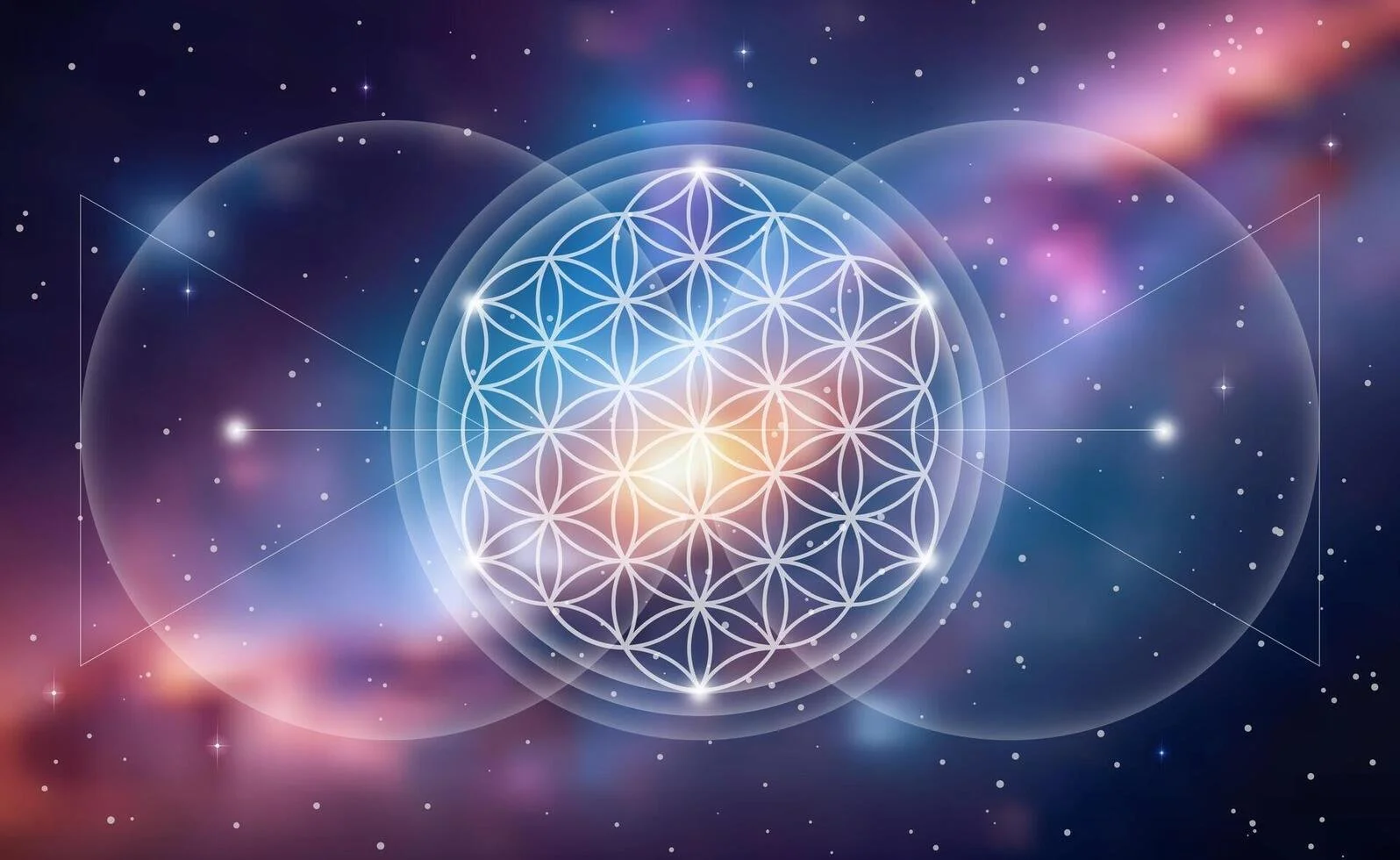
In Spiral Dynamics, the Turquoise tier is not typically defined by a specific, established, named institution, but rather by global, holistic, and "meshwork" approaches to education that focus on interconnectivity, consciousness expansion, and ecological harmony.
While no single "Turquoise school" is widely cited, the literature and related integral theory describe the characteristics of a Turquoise education system as:
Holistic and Integral Learning: An education system that blends feelings, intuition, and technology to maximize the human brain and consciousness.
"Meshwork" of Global Knowledge: Moving beyond the individualistic,,, problem-solving focus of Yellow to a "global village" (Marshall McLuhan) approach that connects disparate ideas and cultures into a single, living, conscious system.
Transpersonal and Spiritual: Integrating science with spiritual, mystical, and energetic dimensions of life.
Experiential and Intuitive: A shift from just accumulating knowledge to developing wisdom, focusing on Being rather than just Doing.
Ecological Consciousness: A curriculum centered on the "Gaia hypothesis" or the world as a single, dynamic organism, often emphasizing sustainability.
According to some interpretations, Turquoise education is characterized as a "post-scientific" or "modern shamanism" that seeks to understand our potential to co-create with the environment.
Worldview In Relationships
Worldview in Relationship continued…
CHALLENGES + LESSONS
OF YELLOW + TURQUOISE WORLDVIEWS
What Does YELLOW Systems Integration Look Like When NOT In Balance?
In Spiral Dynamics, the Yellow meme (Integral/Systemic level) represents a shift toward systems thinking, flexibility, and understanding complex, interconnected realities. When in an unhealthy or closed state, Yellow becomes arrogant, detached, overly theoretical, and paralyzed by complexity, often appearing as a "cold intellectual" who forgets to connect with people. If energy or consciousness gets stuck or collapsed at an earlier stage, corresponding to the chakras, one’s behavior or affect in the world is also mirrored.
Here are somewhat current examples of leadership that may be interpreted (in part, without knowing their subjective experience) to exhibit characteristics of an unhealthy/closed Yellow vMeme:
A) The "Systems Optimization" Technocrat (e.g., Early-Phase Sam Altman or Similar Silicon Valley AI Leaders)
Why they fit: These leaders possess high-level systems thinking and prioritize long-term, exponential growth (AI, transhumanism) over short-term, human-centric concerns.
Unhealthy Yellow Traits: A relentless focus on "the grand plan" or "saving humanity" (a Yellow trait) can lead to treating humanity as a data set rather than a collection of individuals. They may appear distant, viewing immediate ethical concerns or worker welfare as trivial inefficiencies compared to the long-term goal of AI integration.
B) The "Algorithmic Efficiency" Manager (e.g., Examples from Big Data/Logistics)
C) The "Unfettered Rationalist" Futurist
UNHEALTHY YELLOW ‘YANG’ TRAITS
1. "Castles in the Air" & Functional Paralysis
Unhealthy Yellow can become so focused on high-level, complex, or futuristic solutions that they fail to act on immediate, pragmatic problems. They may get "bogged down in complex analysis" and fail to implement practical, simple solutions.
Example: Tech-utopianism that focuses on solving world hunger with blockchain or hyper-complex, unregulated AI, while ignoring immediate, basic, and actionable humanitarian aid needs.
2. Cold Detachment & Arrogance
Because Yellow is highly individualistic and less emotional than the previous Green stage, an unhealthy Yellow can come across as cold, distant, or condescendingly intellectual.
Example: A policy expert dismissing public, emotional concerns about economic instability as "ignorant" or "irrational," believing that only their systemic, "bird's-eye" view is valid.
3. The "Intellectual" Conspiracy Theorist
While healthy Yellow seeks truth, unhealthy Yellow can fall into the "Gamma Trap"—using their advanced intelligence to rationalize or over-analyze, becoming disconnected from shared reality.
Example: Individuals who, instead of trusting mainstream scientific consensus, spend hours creating "alternative" systems-thinking models that connect unrelated events into elaborate, often paranoid, conspiracies.
4. Lack of Empathy & Disconnection
Yellow's ability to see the "whole system" can lead to treating humans as mere data points, losing empathy for individuals.
Example: Corporate leaders or politicians who use "systemic efficiency" as an excuse for massive, cold-hearted layoffs, focusing only on the "health of the system" rather than the welfare of the people within it.
5. Perfectionism Leading to Inaction
Unhealthy Yellows often struggle to finish projects because they believe there is always a more complex, better, or more integrative way to do it.
Example: A project manager who constantly pivots a project's strategy to make it "more inclusive" or "systemically perfect," resulting in nothing actually being delivered.
What Does TURQUOISE Look Like
When NOT In Balance?

An unhealthy (or closed/arrested) Turquoise state manifests when these high-level, "second-tier" concepts are utilized by a fragile ego to avoid dealing with the practical, concrete realities of lower, first-tier levels (such as personal responsibility, economic structures, or physical safety). If energy or consciousness gets stuck or collapsed at an earlier stage, corresponding to the chakras, one’s behavior or affect in the world is also mirrored.
Here is what an unhealthy Turquoise state looks like through current events and individuals:
UNHEALTHY TURQUOISE ‘YIN’ TRAITS
1. "Spiritual Bypass" and Escapism
Characteristics: Using, spirituality, "oneness," or high-minded philosophy to ignore, repress, or deny uncomfortable emotions, trauma, or mundane, practical problems.
Individuals: "Love and Light" influencers who advocate for ignoring negative news, systemic inequality, or personal pain in favor of a "blissful", non-dualistic state.
Current Events: The trend of "manifestation" or "shifting" becoming a substitute for, rather than a compliment to, taking concrete action in one's life.
2. The "Noble" Dictator (Authoritarian Holism)
Characteristics: Believing that because they see the "big picture," they know what is best for the collective, leading to a "my way or the highway" mentality that imposes unity through control.
Individuals: Leaders or spiritual gurus who claim to have "higher knowledge" or "channeled" truth, requiring followers to abandon logical questioning (Orange) and strict morality (Blue).
Current Events: "Eco-authoritarianism" or "woke" zealotry where any, questioning of, the group's, mandate is seen as "low-consciousness,", "evil," or "uninformed." This creates a "new religion" that demands obedience.
3. Totalizing "Systemic" Blame
Characteristics: A,,pseudo-holistic, view that blames every problem on the "system," "the matrix," or "low-level" thinking,,often losing all sense of individual accountability or practical,,solutions.
Individuals: Conspiracy theorists who believe they are "awake" (Turquoise) but are, actually, caught in a, deeply emotional (Red),,fear-based (first-tier) narrative, claiming only they can see the "real", hidden, connections,.
Current Events: "Woke" or, "post-modernist", extremism where, any hierarchy, or competence is, labeled, as, oppressive, destroying necessary organizational, structures (Blue) or competence (Orange).
4. Over-Expansion and "Drowning in Oneness"
Characteristics: An, inability to distinguish between "Self" and "Other," leading to a complete, lack of,,boundaries, (disrupted,Purple),,or, an, apathy, towards personal survival needs.
Individuals: People, who are so, "detached" from, their, ego, that they neglect, their physical, health, finances, or, close, personal relationships.
Current Events: The, "nature is healing" (during COVID-19 lockdowns) meme, which was sometimes used to, trivialized human,,suffering, by, pointing out ecological, gains,,a, form of, unhealthy, "holism" that ignores human,,disaster,.
SUBJECTIVE QUIZ
♂YELLOW SYSTEMS INTEGRATION
• What’s your secret to work-life balance?
• How are you able to manage working toward your broadest goals and passions, while fulfilling your personal needs and maintaining your lifestyle requirements?
• How do the various areas of your life find an integration?
• How do you ‘find your flow’, or where do you find your ‘flow state’? For example, with time, work, and all the committments and things you are focused on? With relationships and collective momentum?
• In what area of life is your innate intelligence, talent, or passion? What comes easy for you, whether native or learned?
• Where have you found yourself enjoying what you do, or found it easy to commit to, regardelss of the survival or success surrounding it?
• Where do you feel aligned with your purpose and expression? For example, is it easy for you to understand or communicate with others? Is it natural for you to be in a leadership role in service to others? Do others compliment you on something about you or something you do? Have you found yourself providing a service that others appreciate without feeling like what you do is a burden?
•In what area are your studies or practices? What are you good at, even while you’re still learning and working toward achieving?
• For example, are you well read? Are you musically inclined? Are you physically able, skilled, or adept at a trade or practice? Are you linguistically facile? Are you a performer? Are you a manager or leader? Are you a mother or care-giver? Are you a therapist or coach?
• Where does your interest or focus seem to have the most cross-mapping, in terms of where your wisdom, experience, or interests converge? Or where do you have the broadest interests?
• For example, Are you able to bring three or more elements of your work or personal life into relationship or greater balance, whether they relate to each other on the surface or not?