SPIRAL DYNAMICS
INDIVIDUALS VS TEAMS
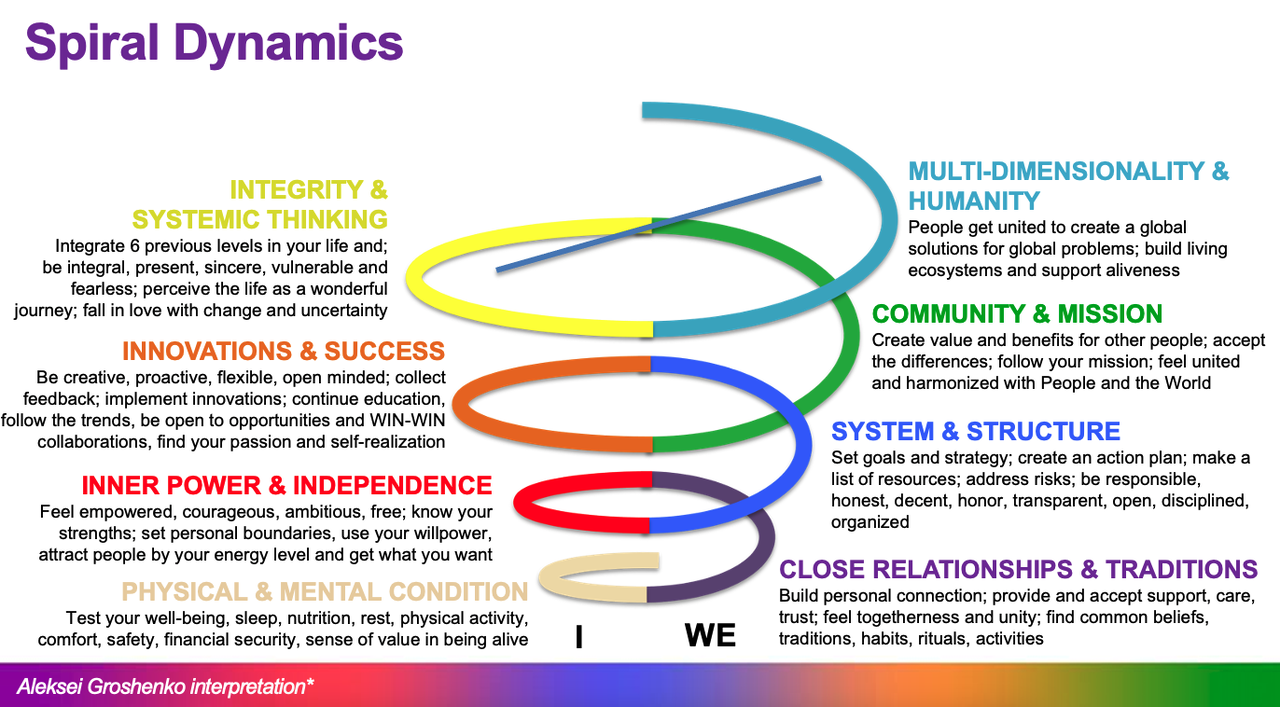
In the following short blog on the subject, author, Angelica Oung, explains Spiral Dynamics using what she refers to as “a quick and caricaturistic overview”. Originally published online at Medium, click here for the original post. Here is the article in summary:
“Spiral Dynamics is a model of human development that maps how individuals and societies evolve in response to complexity using a color code. Each stage is a separate paradigm with its own value system.
I believe it’s a powerful model that explains much of the conflict we see in the world. But it’s difficult to explain because people get hung up on which stage is better or worse — entirely besides the point. There are « healthy » and « unhealthy » societies at every level.
So I had an idea: why don’t I explain SD with people we don’t really like who are emblematic of each stage? Maybe that will help us see the levels of development more clearly in a value-neutral way?
(BTW Societies rarely fit neatly into one stage — think of these examples as dominant traits, not exclusives.)
PURPLE
SPIRIT, SHAMAN, TRIBE
Technically SD starts at level 1 Beige. But that stage is basically humans as an animal focused on bare survival. So we start with Stage Purple.
Societies in this stage believes their survival depends on obeying mystical spirit beings and surviving as a clan above all. They are totally inflexible about this.
A “healthy” example of purple might be the animistic Amazonian tribe, living in harmony in an environment where every plant and animal is sacred. In the ennui of modernity we often yearn for the wisdom of the shaman.
But the truth is the purple worldview can only thrive in isolation. Any different way of being is an existential attack on purple.
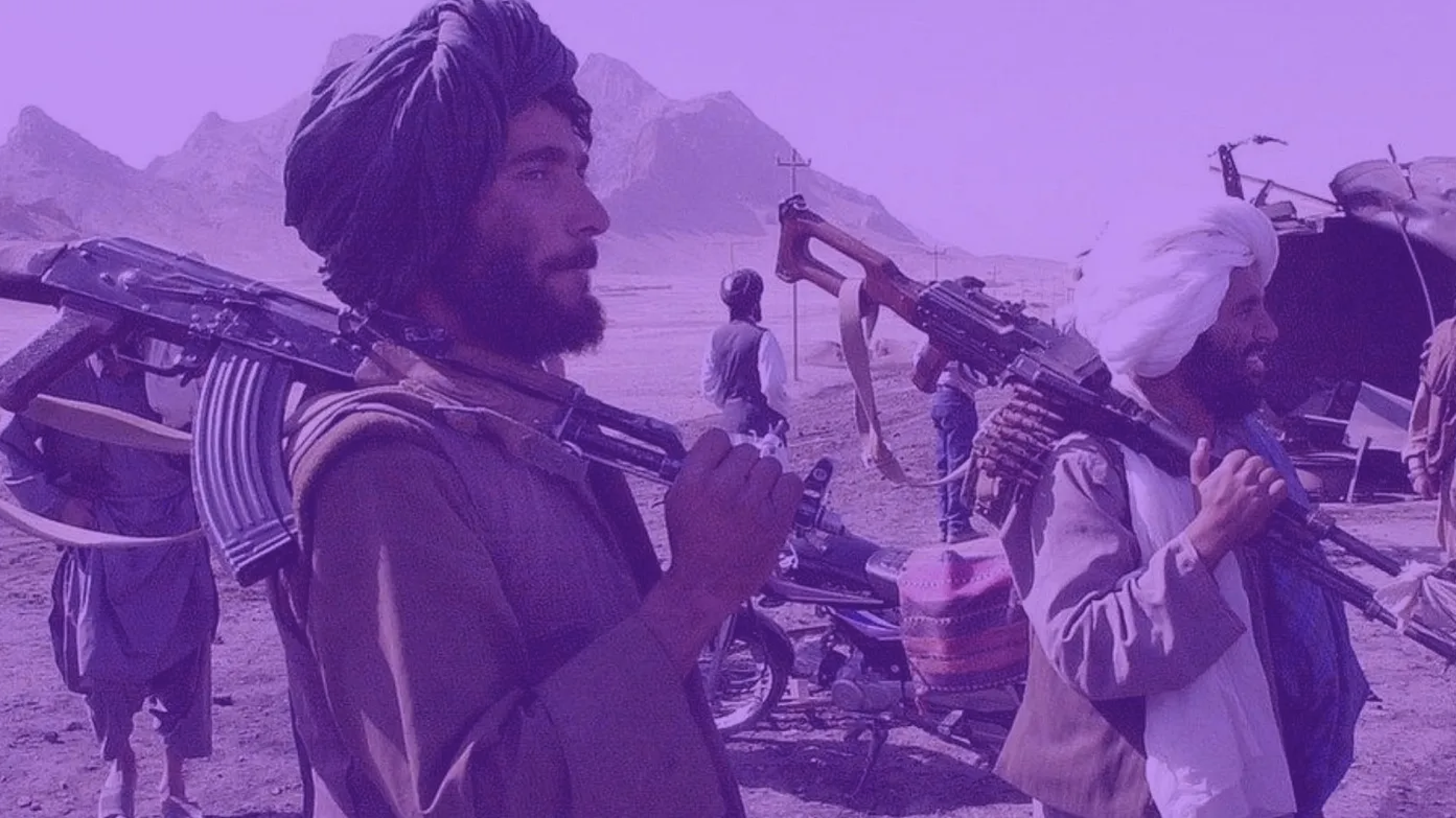
Afghanistan under the Taliban is an example of a contemporary Purple society. Their obsession on putting increasing restrictions on women is based on the unexaminable belief that this is how the world must work.
RED

POWER, EGO, DOMINATION
Each stage of the spiral breaks to the next as the complexity of society makes the previous paradigm untenable.
The rise of red marks a break with magical thinking and dependence on others. This is the stage of the powerful individual who discovers his ability to bend the world to his will. Everybody else falls in line…or will be crushed.
Red is often the most demonized stage, but it is also the stage that is most aligned with reality. Life is a jungle, and not one with talking birds or grandmother trees either.
While Red is obsessed with power, this is in fact the first stage that can play well with others. The chef of a restaurant can be a tyrant in his domain, but he can also pay his taxes and charm his patrons.
Donald Trump is emblematic of stage Red. Having achieved the position of the most powerful person in the world, he is now about dismantling the institutional guardrails that limits his power.
BLUE
TRUTH, ORDER, AUTHORITY
What can break the tyrannical grip of the Stage Red strongman? At a certain stage of human development, an order will rise. When a society is governed by an idea and a set of rules, it can scale and endure the way a strongman’s fiefdom cannot.
I always think of the Ottoman Empire as an example of a society that graduated from Red to Blue beautifully. The Ottomans started as marauding steppe nomads, and quickly developed a massive bureaucracy that allowed the House of Osman to rule unbroken for 600 years.
However, there is a shadow to order, one that is all too clear in the society that best exemplifies it today: the European Union. Beyond a certain point a society that places its highest virtue in how well it can regulate itself ceases to become dynamic and spirals into slow-moving, braindead dysfunction.
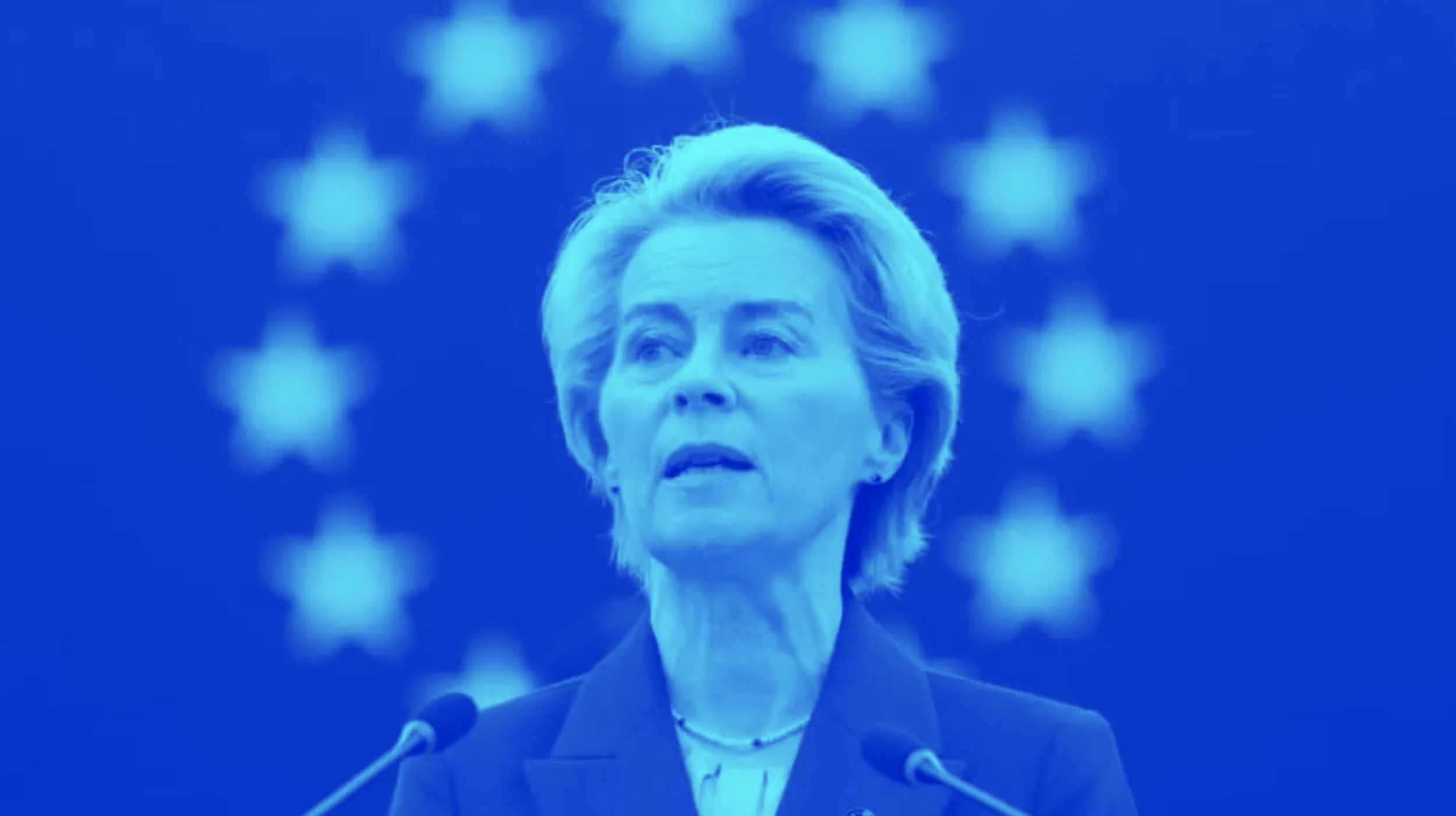
I can find no better mascot for this late-stage Blue malaise than Eurocrat Ursula von der Leyen.
ORANGE
OPPORTUNITY, CAPITAL, SUCCESS
The stages of the spiral swings between the collective and the individual. It’s just as the pendulum swings hardest to one extreme that it gathers the maximum potential to break to the other side.
The orderly world created by blue creates the necessary condition for a new breed of individual to rise: the one who treats life as a game.
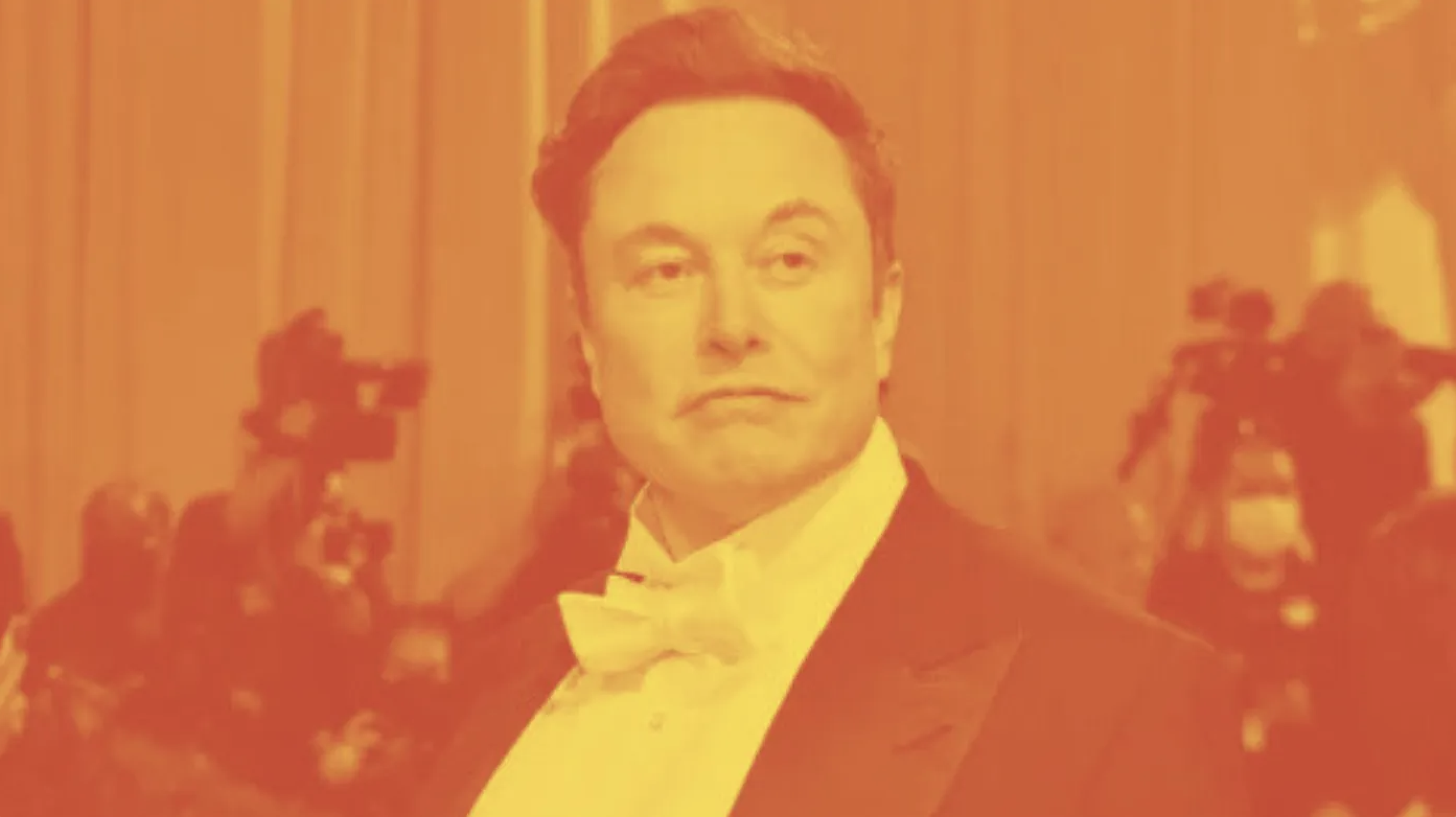
This is the era of the entrepreneur: in many ways they may resemble the Red strongman. But their goal is not to crush the world at their feet, but to win. Their triumph is not zero sum, but creative and generative. The market is their playground and growth is their religion.
The perfect avatar for this stage is the world’s richest man, Elon Musk.
GREEN

SUSTAINABILITY, EQUALITY, HARMONY
The problem with Orange, just as with Red, is that it exploits without heed. As Orange becomes more extreme, it also becomes its own destabilizing force.
As massive inequality and the degradation of the environment escalates, Stage Green rose up to check Orange.
When green is reasonable, it is good indeed. Greater equality gives us dignity, and the demand that externalities like pollution be taken into account can actually be good for long-term growth and prosperity.
We have Green to thank for weekends, clean air and public parks.
The problem is Green is often not reasonable. Its demands for everything for everyone all at the same level becomes its own tyranny.
Just as Orange often undermines Blue, forgetting that markets require a foundation of order, Green attacks Orange, the maker of the prosperity it is trying to redistribute. Recutting the pie can be good, but not burning down the bakery!
Who else to pick to exemplify Green than Greta Thunberg, the poster girl of degrowth?
Beyond just being more fun, there’s a reason why I picked a “terrible” person to exemplify each stage: to be healthy, a society needs to be integrated. Any “extreme” example of a stage is likely to be toxic. You can’t skip stages of development. And if you forget the lessons of previous stages, your society will become suffer. This can ironically lead to the collapse of progress.
Europe is a good example of a healthy society where blue, orange and green was well-integrated, result in a balanced, prosperous society with an enviable high quality of life.
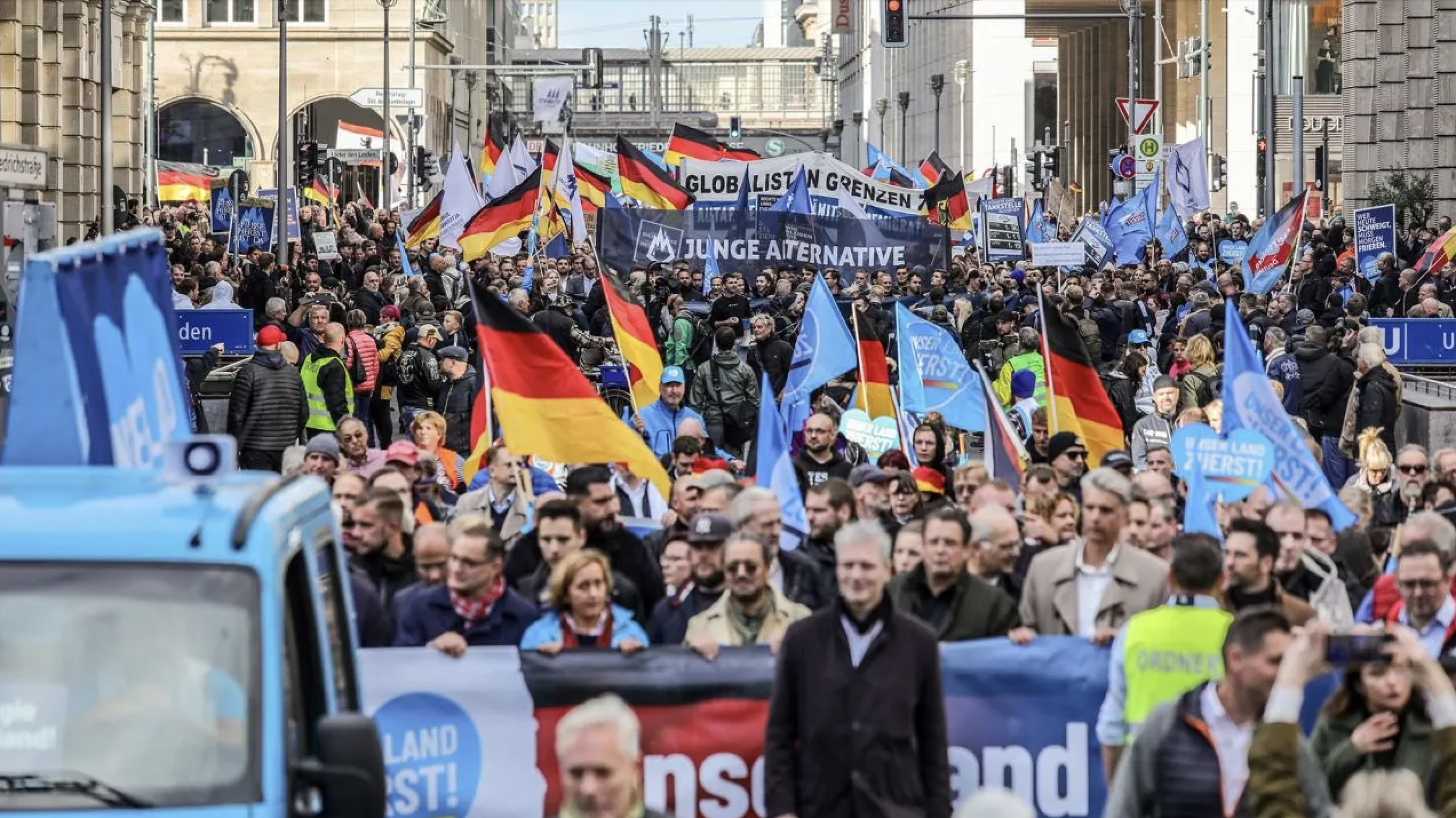
But somewhere along the line, Green became too dominant. The idealism of green caused them to take in massive numbers of immigrants (of the purple/red stage) they were unable to integrate, and take on ruinous economic policies that decimated their Orange component.
A mess is the result. And as distasteful as we find Red-coded far-right nationalism, a dose of that might be the inevitable emergent.

It’s interesting to see how the “collective” stages and the “individualistic” stages tend to consolidate. In Europe obviously Blue was getting led by the nose by Green. In the US, we are seeing Orange abandoning its attempt to reach up into Green and join forces with Red instead.
It is a potent but volatile partnership.
So what is the way forward? I don’t have an answer for you. I treat spiral dynamic more as a tool of taxonomy than diagnosis. Once you internalize the system, it clarifies many situations.
It explains why we often have a bad time when we try to foist democracy (Orange-Green concept) in parts the middle-east that are Purple-Red societies.
It explains why wokism (Green-Blue) gained power so quickly and sabotaged itself by pushing orange away into red.
It even explains why startup founders (extreme orange) gets one-shotted by ayuhuasca. They think they are flirting with Green but beneath that new-age veneer Ayuhuasca is dark purple medicine modern humans no longer have any context for and integrate without becoming broken.
But sometimes it’s useful to re-learn the lessons of past stages. I was predominantly “Green” when I started working at a restaurant kitchen, a Red or Blue environment (depending on the kitchen). It taught me a lot about confidence and discipline.
There’s nothing inherently “true”about spiral dynamics. It’s not the key to the universe. Theres nothing to “believe” in. It’s just a model.
But if you’ve ever felt like you’re speaking a different language from the people around you, SD might explain why. And once you see it, it’s hard to unsee.”